


Thailand has become a popular destination for aesthetic treatments in Southeast Asia, especially for people looking for experienced clinics, a wide range of treatment options, and competitive pricing. The combination of internationally trained physicians, high clinical standards, and competitive pricing makes it an ideal location for cosmetic enhancements. Patients travel from all over the world to access high-quality care that often costs significantly less than similar treatments in Western countries.
However, the local aesthetic market is massive, and navigating your options requires careful research. Provider credentials, product authenticity, transparent dosing, and proper aftercare matter far more than finding the lowest headline price. Choosing a clinic based solely on cost can lead to disappointing results or potential safety risks.
This guide provides everything you need to know to make an informed, safety-first decision. You will learn how pricing works, the differences between global and regional brands, how to identify safe providers, and how to plan your treatment.
How Much Does Botox Cost in Thailand?
Patients often want a single, straightforward price, but treatment costs depend on multiple factors. Your total bill will vary based on the brand used, the number of units required, the clinic’s tier, and the injector’s experience. Answering the question of Botox Thailand price requires looking at the specific area you want to treat.
On average, you can expect to pay anywhere from ฿1,600 for a minor touch-up to over ฿20,000 for a comprehensive upper face package using premium global brands. Clinics typically price their services either by the unit or by the treatment area. Pricing by the unit offers more transparency, as you know exactly how much product you are receiving.
Below is a detailed breakdown of estimated Botox prices in Thailand to help you budget for your treatment. Please note that these prices are estimates and may change depending on the clinic, brand, dosage, treatment area, promotions, and consultation outcome.
|
Treatment / Package |
Estimated Price in Thailand |
Best For |
Notes |
|---|---|---|---|
|
Small area package |
฿1,600–฿3,000+ |
Minor touch-ups, lip flip, or bunny lines |
Usually covers 10-20 units of a Korean brand. |
|
Forehead or frown lines |
฿3,000–฿8,000+ |
Smoothing horizontal lines or deep glabella creases |
Price depends on whether a US/EU or Korean brand is used. |
|
Crow’s feet |
฿3,000–฿8,000+ |
Softening fine lines around the outer eyes |
Often requires 12-24 units total depending on muscle strength. |
|
Upper face package |
฿8,000–฿18,000+ |
Treating forehead, frown lines, and crow’s feet together |
Bundled pricing per area often provides a slight discount. |
|
100-unit Korean brand package |
฿7,000–฿12,000+ |
Masseter slimming or full-face lifting techniques |
Highly cost-effective for larger muscle groups. |
|
100-unit premium brand package |
฿13,000–฿20,000+ |
Masseter reduction or comprehensive facial smoothing |
Uses originator brands like Botox® or Dysport®. |
Why Botox Prices Vary in Thailand
If you see two clinics offering wildly different prices for the same treatment area, several underlying variables are likely at play. Understanding these factors will help you assess whether a quote represents good value or a potential risk.
Brand: Originator brands manufactured in the US or Europe cost more to procure than regional alternatives.
Number of units: Stronger facial muscles require higher doses. A package that seems incredibly cheap might use too few units to achieve a lasting result.
Treatment area: Larger muscles, such as the masseters along the jawline, require significantly more product than delicate areas like the outer eyes.
Clinic location: Premium facilities in central Bangkok or luxury tourist hubs like Phuket have higher operating costs, which are reflected in their pricing.
Injector credentials: Treatments performed by board-certified dermatologists or plastic surgeons command a higher fee than those administered by general practitioners.
Authenticity and storage standards: Legitimate products require strict cold-chain storage during shipping and handling. Reputable clinics invest in these logistics to guarantee product safety and efficacy. Follow-up appointments and aftercare support are also factored into the fees of high-quality cosmetic clinics in Thailand.
Common Botox Brands Available in Thailand
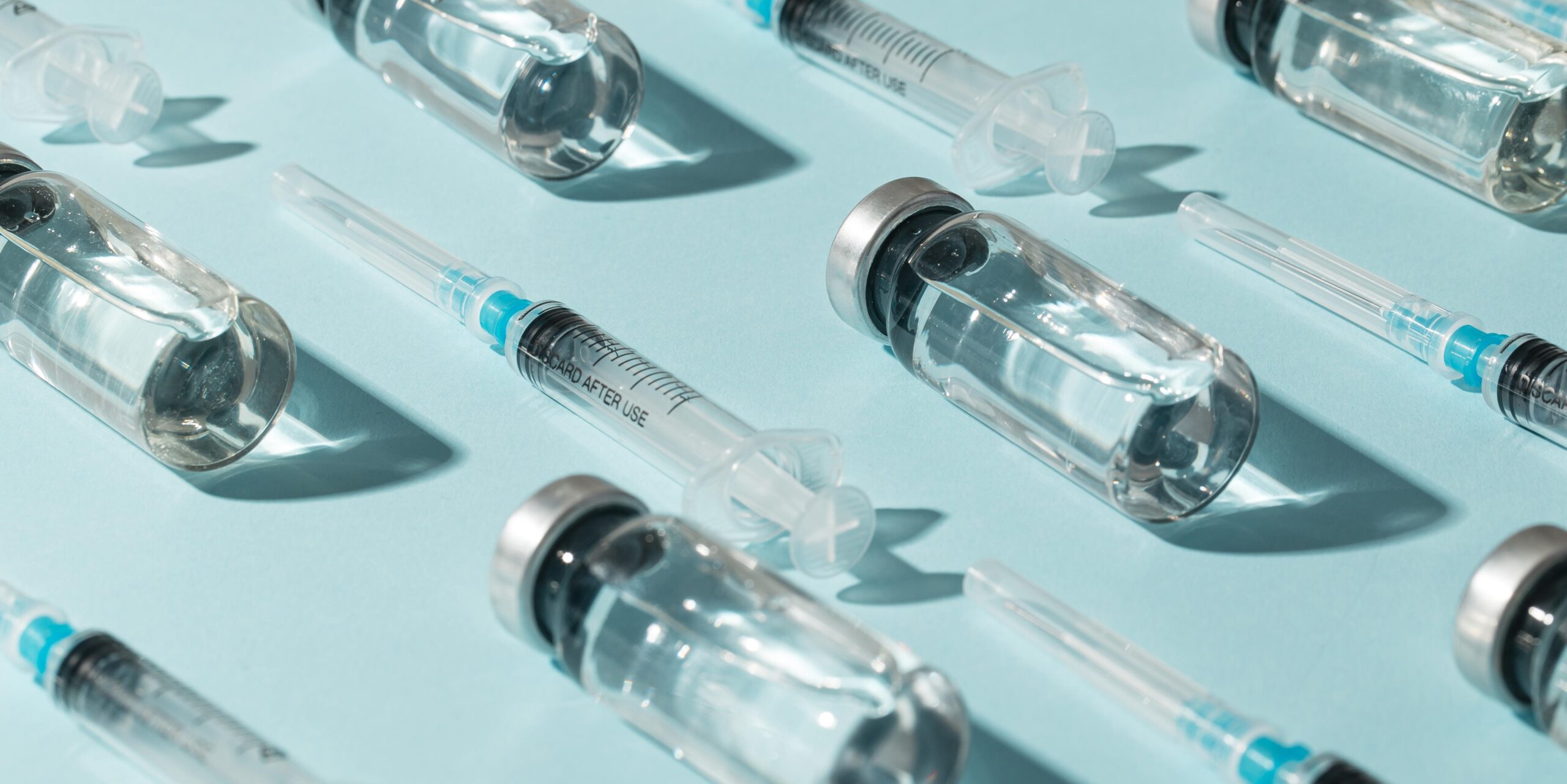
“Botox” is widely used as a generic term, but it is actually a specific brand name for botulinum toxin type A. Clinics in Thailand stock a variety of approved neurotoxins. There is no universal “best” brand; the right choice depends on the doctor’s assessment, patient goals, treatment area, budget, and treatment history.
Most importantly, units are not always interchangeable between brands. Comparing the price per unit should only be done within the same brand or after a proper clinical explanation.
Here are the common Botox brands Thailand clinics use:
Botox®: The original product manufactured by Allergan (USA). It has a long history of clinical data, precise spread, and premium pricing.
Dysport®: Manufactured by Galderma (UK/France). It tends to spread slightly more than Botox®, making it popular for larger areas like the forehead. Its unit of measurement is entirely different from Botox®.
Xeomin®: Manufactured by Merz (Germany). It is a “purified” neurotoxin without complexing proteins, which may reduce the risk of developing antibody resistance over time.
Korean botulinum toxin brands: Brands like Nabota®, Botulax®, and Neuronox® are widely used and highly popular in Thailand. Korean botulinum toxin brands are commonly available in Thailand and are often priced lower than premium global brands. Results depend on the product, storage, dosage, injector technique, and patient suitability.
What Is Botox and What Does It Treat?
Botulinum toxin type A is a prescription biologic that temporarily relaxes targeted muscles by blocking nerve signals. This prevents the muscle from contracting, which softens existing wrinkles and prevents new ones from forming.
Common cosmetic treatment areas include:
- Forehead lines: Horizontal wrinkles that appear when raising the eyebrows.
- Frown lines: The vertical “11” lines between the eyebrows (glabella).
- Crow’s feet: Fine lines radiating from the outer corners of the eyes.
- Jawline or masseter slimming: Injecting the chewing muscles to reduce jaw width and treat teeth grinding.
It also has several medical applications that must only be performed under professional medical care, such as treating excessive sweating (hyperhidrosis) in the underarms, hands, or feet.
Botox in Bangkok, Phuket, Pattaya, and Chiang Mai
Thailand’s medical tourism infrastructure spans several major cities, each offering a different experience for patients.
Bangkok: The capital city offers the widest clinic selection and the highest concentration of premium facilities. You will easily find highly specialized aesthetic clinics in Bangkok catering to both locals and international visitors.
Phuket: As a major resort destination, Phuket is incredibly popular with medical tourists. Clinics here are very accustomed to treating short-term visitors and often provide streamlined services for travelers.
Pattaya: Highly accessible for expats and short-term visitors, Pattaya features numerous clinics offering competitive pricing along the eastern seaboard.
Chiang Mai: Known for its relaxed pace, Chiang Mai is a hub for long-stay expats and digital nomads. The city offers excellent aesthetic care at prices that are often slightly lower than those found in Bangkok or Phuket.
How to Choose a Safe Botox Clinic in Thailand
Your safety and cosmetic outcome depend entirely on the provider you select. Use this checklist when evaluating Botox clinics in Thailand to ensure a secure and professional experience.
- Licensed clinic: Verify that the facility holds a valid operating license from the Thai Ministry of Public Health.
- Licensed physician injector: Injections should only be performed by a qualified doctor, never by an assistant or beauty therapist.
- Clear brand disclosure: The clinic should explicitly state which brand of botulinum toxin they intend to use.
- Sealed packaging and labeled vial: Ask to see the sealed box and the vial before the product is reconstituted.
- Lot or batch number: The provider should gladly share the lot number for your records.
- Clear unit count per area: Ensure the treatment plan specifies the exact number of units you will receive.
- Written treatment record: You should receive documentation detailing the date, brand, dose, and injection sites.
- Aftercare and follow-up policy: Reputable providers schedule follow-ups to check symmetry and results.
- Transparent pricing: All costs should be outlined during the consultation without hidden fees.
- Patient reviews: Look for feedback that praises clinic hygiene, clear communication, professionalism, and safety standards.
Red Flags to Avoid
Protect yourself by walking away from clinics that display any of the following warning signs.
Extremely low prices with no explanation often indicate diluted products or counterfeit imports. A trustworthy clinic will always let you inspect the vial and the box; refusal to show packaging is a major warning sign. Legitimate products have traceable serial numbers, so the absence of a batch or lot number is highly suspicious.
Furthermore, avoid locations with no clear injector credentials. The doctor’s name and medical license should be clearly verified. High-pressure promotions have no place in medicine; treatments should never be sold using aggressive tactics. You should also avoid clinics that skip a proper consultation, offer unclear dosing promises, or operate in non-medical settings. Finally, steer clear of anyone making promises of guaranteed results.
What Happens During a Botox Appointment?
Knowing what to expect can help you feel relaxed and prepared for your treatment.
Consultation: The doctor will ask about your goals, review your medical history, and evaluate your facial expressions.
Facial assessment: The injector will map out the precise injection points based on your unique muscle movement.
Treatment plan: You will discuss the chosen brand, the exact dose, the expected outcomes, and the total Botox price in Thailand.
Consent: You will sign a medical consent form outlining the procedure and potential risks.
Injection process: The skin is cleansed, and the doctor uses a micro-needle to deliver the product. The actual injections usually take less than 15 minutes.
Aftercare instructions: You will receive specific guidelines, such as avoiding strenuous exercise and keeping your head elevated for a few hours.
Follow-up: The clinic will likely recommend a follow-up visit in two weeks to assess the final result.
Botox Side Effects and When to Seek Help
Botulinum toxin injections have an excellent safety profile when performed by a qualified medical professional. Most patients experience zero downtime, but minor reactions can occur.
Mild, temporary side effects may include localized swelling at the injection sites, light bruising, temporary soreness, or a mild headache. As the product begins to take effect, you may notice temporary asymmetry during the first week.
More notable complications can happen if the product is placed incorrectly. This includes a drooping eyelid or eyebrow, or an overly “frozen” appearance due to over-treatment.
Seek urgent medical help if you experience serious or unexpected symptoms, such as severe swelling, difficulty breathing, or difficulty swallowing.
Who Should Speak to a Doctor Before Botox?
While Botox is safe for most adults, it is a medical procedure with strict contraindications. Do not proceed without direct clearance from a licensed physician if you fall into any of these categories:
- Pregnant or breastfeeding patients
- People with neuromuscular conditions
- People with an active skin infection near the planned treatment area
- People who have had previous allergic reactions to botulinum toxin products
- People taking specific medications that may affect bleeding or muscle response
[Disclaimer: This article is for general informational purposes only and does not replace consultation with a licensed medical professional.]
Travel Tips for Getting Botox in Thailand
If you are visiting Thailand for a holiday and want to incorporate aesthetic treatments into your itinerary, a little planning goes a long way.
First, book your appointment early in your trip. Botulinum toxin takes about 2 to 7 days to start working, and up to two weeks to show its peak effect. Allowing 1–2 weeks for results to settle means you can handle any minor touch-ups before you fly home. If you are staying long enough, plan a follow-up appointment with your doctor.
Avoid choosing a clinic based only on price. Always request written treatment documentation, keeping records of the brand, lot number, dose, and treatment area. Seeking out English-speaking beauty clinics in Thailand ensures you and your doctor are perfectly aligned on your treatment goals.
Making an Informed Decision with Doodeena
Your face is not the place to hunt for bargains at the expense of safety. By prioritizing physician credentials and product authenticity, you can achieve beautiful, natural-looking results while enjoying the competitive pricing that makes Thailand a global aesthetic hub.
Doodeena can help you explore beauty clinics, compare treatment options, and review clinic profiles across Thailand. Before booking Botox, confirm the clinic’s license, injector credentials, product brand, batch number, price, and aftercare process directly with the provider.
FAQs About Botox in Thailand
1. Is Botox in Thailand safe?
Botox safety Thailand regulations are generally very high in licensed facilities. Safety depends entirely on choosing a verified clinic, a licensed physician, and an authentic product with proper storage.
2. How much does Botox cost in Thailand?
Prices typically range from ฿1,600 for a minor touch-up to ฿20,000+ for comprehensive upper face treatments using premium global brands.
3. Which Botox brand is best in Thailand?
There is no single “best” brand. Global leaders like Botox®, Dysport®, and Xeomin®, alongside effective Korean options, all work well. The best choice depends on your budget and your doctor’s assessment.
4. Is Korean Botox safe?
Korean botulinum toxin brands can be safe and effective when they are legally sourced, properly stored, and administered by a qualified doctor. Always confirm the brand, packaging, and batch number before treatment.
5. How long does Botox last?
Results typically last between 3 to 4 months. The exact duration depends on the dose administered, the specific brand used, and your individual metabolism.
6. Can I fly after Botox?
There are no strict medical rules against flying after injections, but it is best to ask your treating physician. Many doctors recommend waiting at least 24 hours before taking a long-haul flight.
7. How do I know if the Botox product is authentic?
You can verify authenticity by asking the clinic to show you the sealed packaging, the labeled vial, and the lot or batch number before the injection begins.
8. Should I pay per unit or per area?
Paying per unit is generally more transparent because you know exactly how much medication you receive. If you pay per area, always ask the doctor to document the specific number of units they used.
9. Is Botox cheaper in Thailand than in Western countries?
Yes, the cost of aesthetic treatments in Thailand is often significantly lower than in the US, UK, or Australia, making it a highly attractive option for medical tourists.
10. How can Doodeena help me compare Botox clinics in Thailand?
Doodeena allows you to browse beauty clinics in Thailand, view transparent pricing, read patient reviews, and evaluate providers all in one convenient platform.