


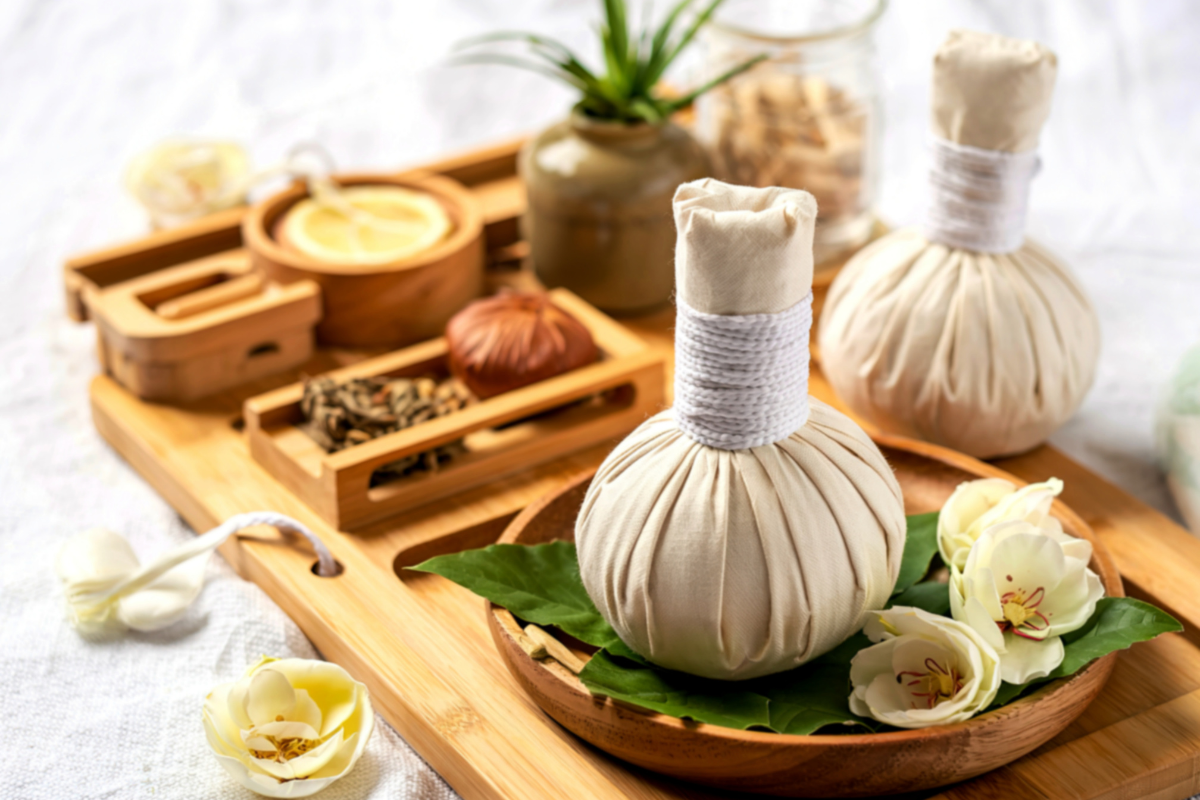
The moment a freshly steamed herbal bundle is pressed against your back, you understand why Thai herbal compress massage has survived four centuries of Thai medicine. The heat radiates deep into the muscle. The scent of lemongrass and kaffir lime rises from the cloth. Known as luk pra kob in Thai, this is one of the most distinctive treatments available in Bangkok and one of the best things you can book on a trip to Thailand. This guide covers what it is, how it works, what to expect during a session, and where to find the best luk pra kob experiences in the city.
Quick Summary
- Luk pra kob (literally ‘pressing herbal sphere’) is a traditional Thai treatment using steamed herb bundles pressed onto the body along energy pathways called sen lines.
- The compress works through three mechanisms: thermotherapy (heat relaxes muscles and opens pores), transdermal absorption (herbal compounds absorb through the skin), and aromatherapy (volatile oils calm the nervous system).
- Key herbs include lemongrass, kaffir lime, turmeric, plai ginger, camphor, and tamarind leaf, each with documented anti-inflammatory, antimicrobial, or skin-conditioning properties.
- Benefits include muscle and joint pain relief, improved circulation, lymphatic drainage, skin softening, stress relief, and better sleep.
- Bangkok is one of the best cities in the world to experience authentic luk pra kob, with options ranging from affordable wellness centres to award-winning luxury spa destinations.
What Is Luk Pra Kob? History and Origins
The Thai name luk pra kob (ลูกประคบ) translates directly as ‘pressing herbal sphere.’ The treatment has roots in traditional Thai medicine dating back well over 400 years. Its first written record appears in a medical text called Pra Osoth Pra Narai, written between 1660 and 1687 during the reign of King Narai, where the compress was described as a local treatment for pain relief with the physiological effect of ‘vein stretching’, a description that maps closely to what we now call vasodilation.
In 1832, Wat Pho in Bangkok became the centre for codifying traditional Thai medicine under King Rama V, and luk pra kob was formally documented as a therapy for musculoskeletal pain. Wat Pho remains one of the most respected institutions for traditional Thai medicine and massage training in the country. Some historians trace herbal compress use even further back, suggesting it was introduced to Thailand by Buddhist monks from India around 200 BC, combining Indian Ayurvedic and Chinese herbal medicine with existing Thai botanical knowledge.
For centuries, the treatment was available across all levels of Thai society. Royal courts used elaborate herb blends prepared by court physicians. Soldiers returning from campaigns received compress treatments for muscle pain and injuries. Village healers used simpler versions for everyday aches. That same adaptability, from luxury spa to neighbourhood wellness clinic, is part of why luk pra kob is still everywhere in Bangkok today.
What Is Inside the Compress? The Herbs and What They Do
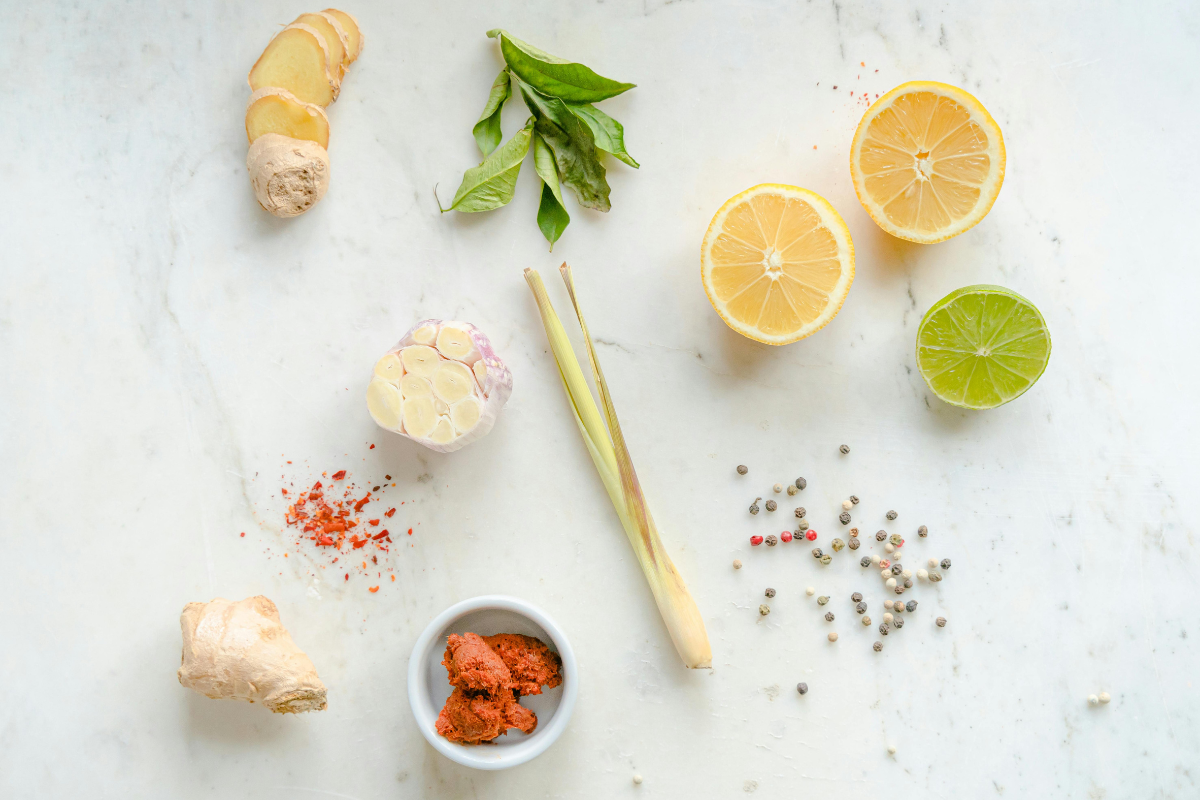
Each compress is a bundle of herbs wrapped in unbleached muslin cloth. Blends vary by spa, but most traditional recipes follow Wat Pho-documented formulations. The herbs are steamed at around 80 to 100 degrees Celsius to activate their essential oils before being pressed onto the body.
| Herb | Thai name | Primary skin and body benefit |
|---|---|---|
| Lemongrass | Ta-krai | Antiseptic and antibacterial; reduces oiliness, soothes skin infections, deodorises; aromatherapeutic calming effect |
| Kaffir lime | Ma-krut | Mild antiseptic; refreshes and tones skin; opens respiratory pathways with its citrus volatile oils |
| Turmeric | Khamin | Anti-inflammatory curcumin soothes and brightens skin; antibacterial; antioxidant protection against free radicals |
| Plai ginger | Phlai | The star anti-inflammatory herb; provides natural analgesic relief for joint and muscle pain, sprains, and stiffness |
| Camphor | Ga-boon | Cooling and penetrating; relieves deep muscle tension and improves local circulation; supports respiratory clarity |
| Tamarind leaf | Bai makham | Calms itching and skin inflammation; mildly acidic, softens and conditions the skin’s surface |
| Pandanus leaf | Bai toey | Aromatic; detoxifying properties; adds a sweet fragrance to the herbal steam |
You can read more about two of the standout herbs in our dedicated guides: turmeric’s anti-inflammatory and brightening effects on skin, and tamarind’s natural AHAs and how Bangkok clinics use it for brightening treatments.
How Thai Herbal Compress Massage Works
What makes luk pra kob more effective than a simple hot towel is the convergence of three independent therapeutic mechanisms working at the same time.
Thermotherapy
Heat is the foundation of the treatment. Research on heat therapy consistently shows that controlled application of warmth to soft tissue increases local blood flow, reduces muscle spasm, and improves tissue extensibility. When the steamed compress rests against the skin, capillaries dilate and pores open, both of which create the conditions for deeper penetration of the herbal compounds.
Transdermal Absorption
As the pores open under heat, the active compounds in the herbs, including curcumin from turmeric, anti-inflammatory zingerone from plai ginger, and antiseptic citral from lemongrass, are absorbed through the skin directly into the tissue beneath. This is what distinguishes luk pra kob from a standard hot stone massage: the stone delivers heat, but the herbal compress delivers heat plus a botanical payload that keeps working after the session ends.
Aromatherapy
The volatile oils that escape from the compress as steam enter the room and the respiratory system simultaneously. Lemongrass activates alertness while calming anxiety. Kaffir lime clears the sinuses. Camphor creates that distinctive penetrating sensation associated with deep respiratory relief. Together, they trigger the parasympathetic nervous system, the ‘rest and recover’ mode that makes luk pra kob sessions feel so deeply restorative.
Thai Herbal Compress Massage Benefits
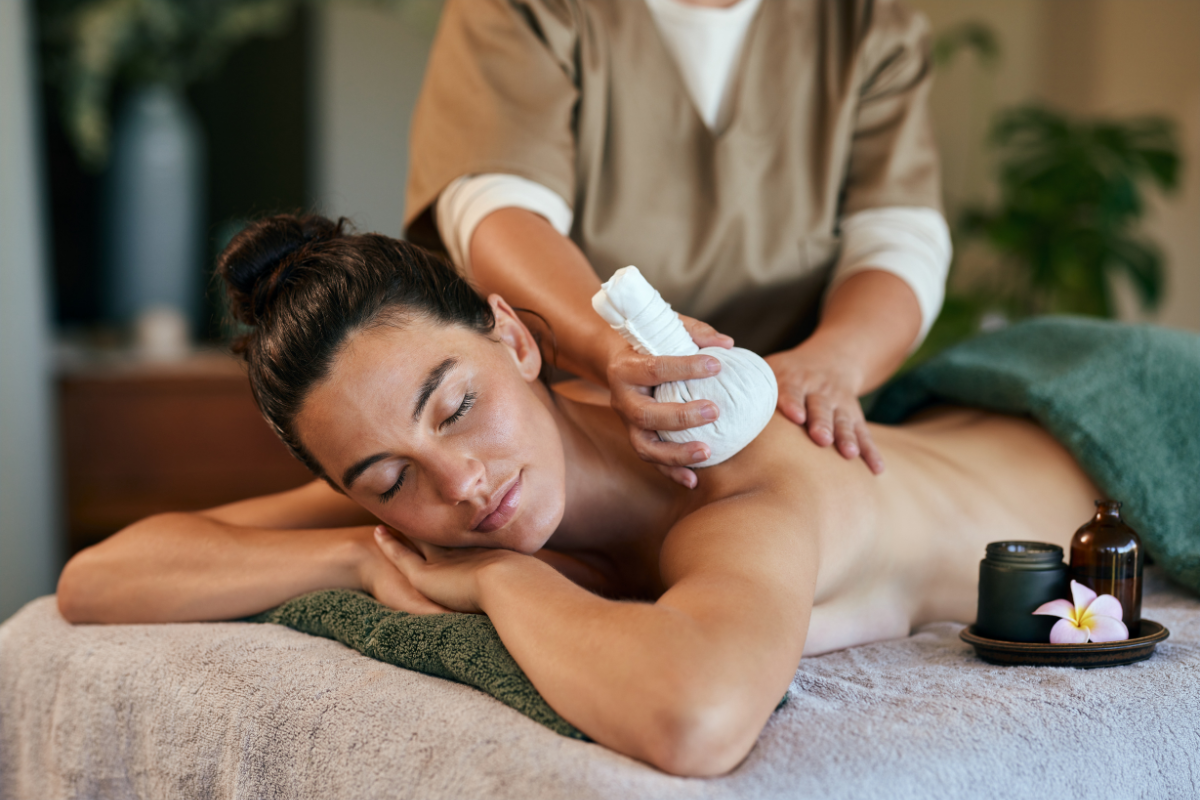
The full benefit profile of luk pra kob goes well beyond muscle relaxation. Here is what a regular recipient can expect.
| Benefit | What is happening |
|---|---|
| Muscle and joint pain relief | Heat and plai ginger’s analgesic compounds relax tight fibres and reduce inflammation around joints |
| Improved circulation | Vasodilation from heat increases blood flow, speeding tissue repair and oxygen delivery |
| Lymphatic drainage | Rhythmic pressing of the compress on tissue stimulates lymph flow and supports natural detoxification |
| Skin softening and brightening | Turmeric, tamarind leaf, and carrier oils nourish and condition the skin surface during application |
| Deep stress relief | Aromatherapy from herbal steam triggers the parasympathetic nervous system, reducing cortisol levels |
| Better sleep | Post-treatment parasympathetic activation supports deeper, more restorative sleep that night |
| Respiratory clarity | Camphor, kaffir lime, and lemongrass vapours open airways and ease sinus congestion |
| Improved range of motion | When combined with Thai massage stretching, heated muscles allow deeper, safer mobility work |
For those interested in the broader landscape of non-invasive wellness treatments available in Thailand, our anti-aging treatments guide covers complementary options that pair well with herbal compress sessions as part of a longer wellness routine.
What to Expect: A Step-by-Step Session Guide
Knowing what happens before you walk in removes the uncertainty that makes people hesitant to book a treatment they have not tried before. Here is what a standard luk pra kob session looks like from arrival to aftercare.
- Arrival and consultation: Most spas begin with a brief health questionnaire covering any conditions that might affect the treatment (pregnancy, high blood pressure, skin sensitivities, recent injuries). This determines pressure levels and which areas to avoid.
- Foot soak: Most Bangkok spas open every treatment with a warm salt and herb foot soak. It softens the skin, starts the relaxation response, and signals that the next hour or two belong entirely to you.
- Opening massage: A traditional Thai massage typically precedes the compress work, warming and loosening the muscles so the heat and herbs can penetrate more effectively when the compress is applied.
- Compress application: The therapist removes the steamed compress from the steamer and tests its temperature on their own arm before applying it to your body. It is pressed, rolled, and glided along the sen energy lines, beginning at the feet and working toward the shoulders and neck. The compress is reheated every few minutes to maintain its therapeutic temperature.
- The experience itself: The heat is intense but not painful. There is a distinctive herbal scent that fills the room. Most guests describe the feeling as enveloping warmth combined with a pleasant tingling where the herbs make contact with the skin.
- Cool-down and refreshments: Most Bangkok spas finish with herbal tea and a light snack. You will feel deeply relaxed, possibly slightly drowsy, and your skin will have a soft, conditioned quality from the herbal oils.
- Aftercare: Do not shower for three to four hours after the session. The herbal compounds continue absorbing through the skin during this window. Stay hydrated and avoid strenuous activity for the rest of the day.
Sessions typically run 60, 90, or 120 minutes. A 90-minute session combining traditional Thai massage with herbal compress work is the most commonly recommended format for first-time visitors.
Best Spas in Bangkok for Thai Herbal Compress Massage
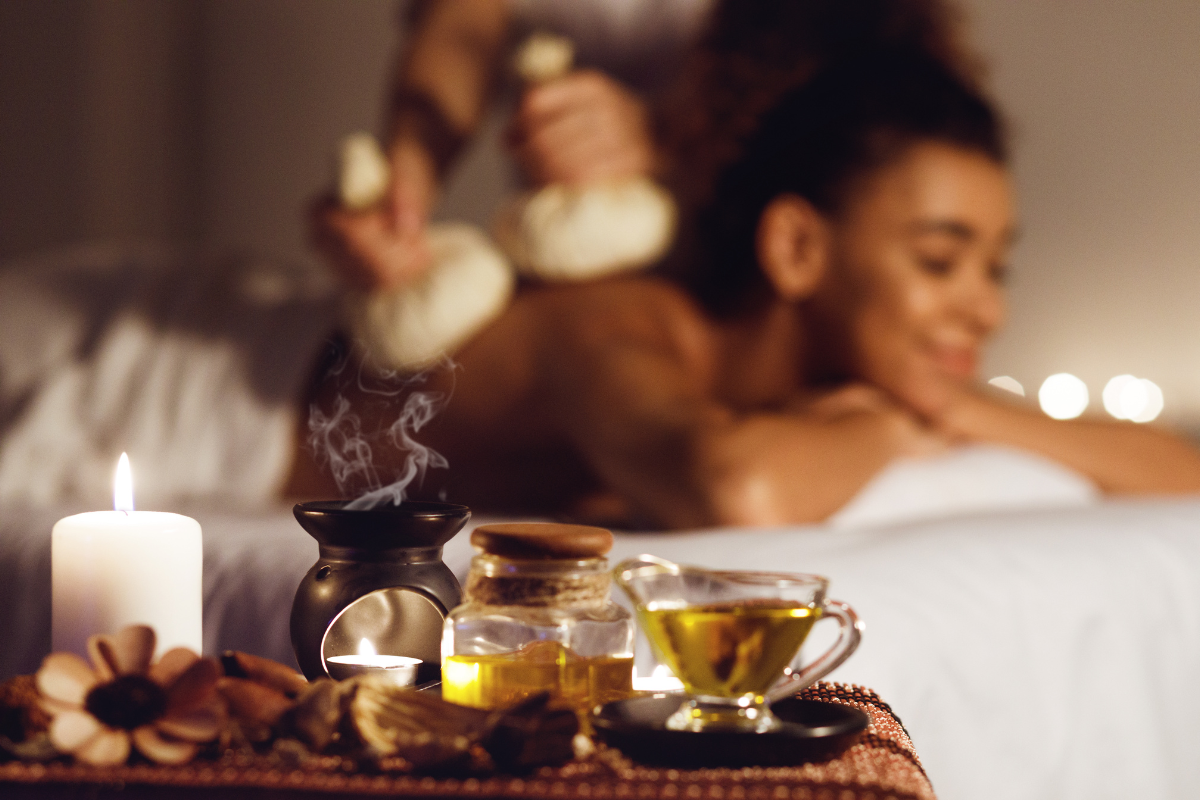
Bangkok has hundreds of spas offering luk pra kob, from five-star hotel wellness destinations to neighbourhood Thai wellness centres with decades of local reputation. Here are some of the most consistently recommended venues across different styles and budgets.
| Spa | Neighbourhood / Area | Style | Why book here |
|---|---|---|---|
| Loft Thai Spa | Sukhumvit (multiple BTS-accessible locations) | Upscale boutique; Forbes Five-Star Spa 2023 | Offer a herbal compress workshop where you make your own ball, then receive a 90-minute massage using it |
| Harnn Heritage Spa | CentralWorld, Ratchadamri | Luxury botanical; Thai herbal product line | Signature herbal compress using oil-infused bundles; renowned for product quality and trained therapists |
| Divana Scentuara Spa | Chidlom (heritage mansion setting) | Heritage luxury; traditional Thai rituals | 90-year-old mansion space; herbal compress therapy combined with Qi foot detox and aromatherapy options |
| Pañpuri Organic Spa | Park Hyatt Bangkok, Lumphini | Premium organic; 11th floor panoramic setting | Multi-hour packages include hot compress as part of a body wrap-to-facial ritual; certified organic herbs |
| CHI, The Spa at Shangri-La | Riverside, Bang Rak | Hotel luxury; traditional Thai wellness | Paradise of Siam package combines Thai herbal steam, full massage, and herbal compress in one session |
| Divana Virtue Spa | Thong Lo, Sukhumvit 25 | Botanical wellness; garden setting | Siamese Herbal Compress as a standalone treatment; praised for therapist skill and relaxed pacing |
Prices for luk pra kob sessions in Bangkok typically range from around 800 to 1,200 THB at wellness centres to 3,500 THB and above at luxury hotel spas, depending on session length and setting. For a comprehensive list of spas and wellness clinics across Bangkok offering herbal compress massage, Doodeena’s spa and wellness clinic directory lets you filter by treatment type, neighbourhood, and budget so you can compare options and find the right fit for your trip.
Who Is This Treatment Good For?
Luk pra kob is particularly suited to:
- Travellers with tight muscles from long flights, hours of sightseeing, or jet lag.
- Office workers and remote professionals carrying tension in the neck, shoulders, and lower back.
- Athletes or anyone recovering from moderate muscle fatigue or overuse.
- People with joint stiffness or mild arthritis who want heat-based relief without deep-pressure massage.
- Anyone exploring T-Beauty wellness treatments who wants an authentic traditional Thai experience alongside their skincare routine.
Avoid or check with a doctor first if you have:
- Pregnancy: heat treatments are generally not recommended, particularly in the first trimester.
- High blood pressure that is uncontrolled: the vasodilation from heat can be a contraindication.
- Open wounds, skin infections, or active rashes in areas where the compress would be applied.
- Extreme heat sensitivity or a condition that affects your ability to feel temperature accurately.
- Known allergies to any of the core herb families used in the compress blend.
Ready to Book? Find Herbal Compress Spas on Doodeena
Luk pra kob is genuinely hard to describe without experiencing it. Deep heat, botanical absorption, and aromatic steam combine into something unavailable at home or in a generic wellness space, and it is part of what makes Bangkok so compelling for wellness travellers. As part of the broader T-Beauty wellness tradition, it represents what Thailand does better than almost anywhere else: take an ancient healing practice rooted in real botanical knowledge and make it available to anyone who wants it.
Doodeena’s spa and wellness directory makes it easy to discover, compare, and book luk pra kob treatments across Bangkok and beyond. Filter by location, price range, and treatment type to find the right spa for your visit, whether you are looking for an authentic traditional experience or a luxury multi-treatment package. Start browsing the Doodeena wellness clinic and spa listings and book a session that your body will remember long after you leave Thailand.
Frequently Asked Questions For Thai Herbal Compress Massage
How long does a luk pra kob session last?
Most sessions run 60, 90, or 120 minutes. The 90-minute format is the most popular for tourists, combining an opening Thai massage with a full compress sequence for both the front and back of the body. Longer 120-minute sessions allow for more thorough compress work on specific areas of tension.
Is luk pra kob the same as a regular Thai massage?
No. A traditional Thai massage (Nuad Thai) uses the therapist’s body to work along sen energy lines with stretching and acupressure. Luk pra kob replaces or supplements that direct bodywork with steamed herbal bundles, adding thermotherapy and transdermal herb absorption that hands alone cannot deliver. Many Bangkok spas offer a combination session where a Thai massage is followed by herbal compress work.
Does it hurt?
It should not. The compress is tested for temperature before being applied and is adjusted to a level that feels intensely warm without being uncomfortable. The pressure is firm but rhythmic, more of a pressing and rolling sensation than the deep acupressure of a traditional Thai massage. Tell your therapist immediately if anything feels too hot or uncomfortable.
How much does a Thai herbal compress massage cost in Bangkok?
Prices vary widely. Neighbourhood wellness centres and Thai spa chains offer sessions starting from around 800 to 1,200 THB for 60 to 90 minutes. Mid-range boutique spas typically charge 1,500 to 2,500 THB. Luxury hotel spa packages with herbal compress start at around 3,500 THB and rise significantly for multi-treatment packages. Booking in advance is recommended, particularly at popular venues during peak tourist season.
Should I shower before or after a session?
A light shower beforehand is fine and often encouraged. After the session, wait three to four hours before washing the treated areas. This allows the herbal oils absorbed into the skin during treatment to continue working. Skipping the post-session shower is one of the most impactful things you can do to maximise the skin-conditioning and anti-inflammatory results of the treatment.